
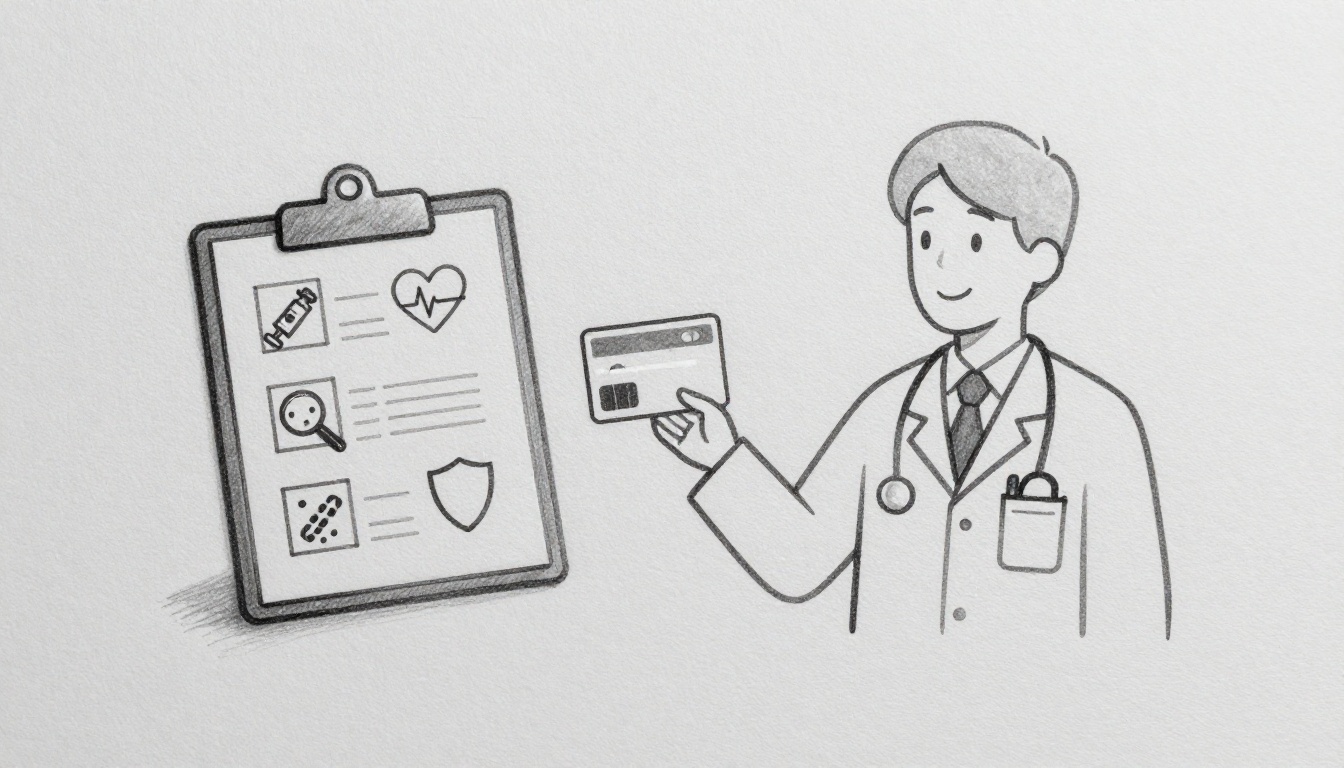
Understanding how your health insurance coverage works is the best way to manage your medical expenses. While the Affordable Care Act mandates that most plans provide certain preventive care services at no cost to you, it is common for patients to receive unexpected medical bills. Knowing the difference between routine screenings and diagnostic services can help you navigate your healthcare costs and avoid surprises. In this guide, we break down exactly what your policy covers and the specific circumstances that might lead to out-of-pocket expenses.
Key Takeaways
- Many preventive care services are covered as no-cost benefits when you use an in-network provider.
- The Affordable Care Act rules often cover routine checkups, vaccines, and many screenings before your deductible kicks in.
- You can still receive a bill for certain visits, follow-up tests, or out-of-network care.
- Coverage varies depending on your specific health insurance plan, provider network, and how the service is billed.
Many people expect preventive care to be free across the board, and that is a fair assumption. The good news is that many health insurance plans cover a wide range of preventive care as no-cost services when you stay in network, but it is not a blank check.
A routine visit can still lead to charges if a health problem is discovered, if you require extra testing, or if you visit a provider outside your plan’s network. The rules are helpful, yet the fine print still matters, so it pays to know what is covered and what can still cost you money.
Key takeaways: what is covered by preventive care and what can still cost you
Preventive care can save you money, but only when you know where the line sits. Most plans cover a core set of services at no cost when you stay in network, yet the bill can start once care shifts from simple screening to active treatment.
That split matters significantly. A routine visit can stay free on the front end, then turn into an appointment involving out-of-pocket costs if your doctor finds a problem or orders extra tests.
Services that are usually free
Most Affordable Care Act compliant plans cover many preventive services at $0 when you use an in-network provider. That often includes your annual check-up, vaccines, blood pressure checks, cholesterol screening, diabetes screening, and a wide variety of cancer screenings.
You may also see free coverage for depression screening, smoking cessation counseling, STI and HIV screening, pregnancy-related preventive care, well-child visits, flu shots, and some birth control services. The visit has to fit the plan’s preventive rules, so the reason for the appointment matters.
Where extra charges can appear
Costs can show up fast when care stops being purely preventive. If you see an out-of-network doctor, ask for testing outside the preventive list, or need a follow-up after a screening finds something, your plan may apply a copay, deductible, or coinsurance.
That is where many people get surprised. A screening may be free, but the next step often is not.
A free screening can be the first page of the story, not the whole book.
A simple way to remember the split
Use this rule of thumb: routine prevention is often free, while treatment and follow-up often cost money. If the visit is meant to spot a problem early, your plan may cover it at no cost. If the visit is meant to diagnose, manage, or treat a problem, charges are more likely.
Before you book, check whether the provider is in network and confirm how the service will be billed. That quick step can keep a preventive visit from turning into an expensive surprise.
The preventive care services health insurance usually covers at no cost
Preventive care is the part of health insurance that helps you stay ahead of health issues. When asking what is covered by preventive care, it is helpful to look at the guidelines set by the USPSTF. These services are designed for early detection, steady monitoring, and basic protection, so many plans cover them at $0 when you use an in-network provider.
That said, free preventive care has limits. The service must fit the plan rules, and billing can change if the visit shifts from screening to treatment. Knowing the common categories helps you spot what should be covered and where extra costs can sneak in.
Yearly checkups and wellness visits
Routine wellness visits are often covered because they help catch problems early, even when you feel fine. These visits give your primary care provider a chance to check basic health markers, review risk factors, and spot changes before they turn into larger issues.
For adults, this usually means an annual wellness visit or a standard wellness exam. Children often receive well-child care, which tracks growth, development, vaccines, and age-based screenings. Women may also have well-woman visits, which focus on preventive care that fits their health needs.
A visit can still turn partially billable if the provider also addresses a new concern. For example, if you go in for a routine checkup and ask about chest pain, that extra problem may be billed separately.
Vaccines and routine shots
Many health plans cover recommended vaccines at no cost when they are given for prevention. That often includes flu shots and other routine immunizations listed in medical guidelines.
In 2026, coverage updates also include some vaccines that may fall under preventive care, such as RSV and pneumococcal vaccines, depending on your plan and current guidance. The exact list can change, but the focus remains on prevention. These vaccines are meant to lower your risk before you get sick. If a shot is being used to treat an active illness, that usually falls outside preventive coverage.
Screening tests that look for problems before symptoms start
Screenings are one of the most important parts of preventive care because they look for risk before symptoms show up. A person can feel healthy and still have high blood pressure, rising cholesterol levels, or early signs of disease.
Common preventive screenings often include:
- Blood pressure checks to catch hypertension early
- Cholesterol tests to assess heart risk
- Diabetes screening for people who meet age or risk guidelines
- Cancer screenings such as a mammogram, Pap tests, HPV tests, a colonoscopy, and sometimes lung cancer screening
The exact list depends on your age, sex, family history, and other risk factors. Plan rules also matter, so one screening may be free for one person and not for another.
A screening is preventive when it looks for trouble before you feel sick, not when it follows up on an active problem.
Women’s preventive care, birth control, and related support
Many plans cover women’s preventive services at no cost when they meet plan and guideline rules. This can include a well-woman visit, which provides room for routine care, a mammogram, screenings, and preventive counseling.
Coverage often extends to birth control, including several prescription methods. Some plans also cover breastfeeding support, counseling, and equipment, which can make the first weeks after birth easier to manage.
In addition, many plans cover domestic violence screening as part of preventive care. These services are handled with care and privacy, and they matter because early support can change a person’s health path. Details still vary by plan and by the service itself. A method, device, or follow-up item may be covered one way under one plan and differently under another.
Counseling and preventive medicines that may be included
Preventive care is not only about tests and shots. It can also include counseling, mental health screenings, and certain medicines that help stop problems before they start.
Common examples include:
- Smoking cessation counseling for people who want to quit
- Healthy weight counseling for people who qualify under plan rules
- Aspirin for some adults who meet preventive criteria
- Folic acid for people who need it based on guideline recommendations
- Fluoride supplements for certain children
- Some breast cancer prevention medicines for people at higher risk
These services are only covered at no cost when they fit the plan’s preventive care rules. That means the reason for the prescription or counseling matters. A medication used for treatment usually follows different coverage rules than one used for prevention. If you want to avoid surprise charges, check two things before the visit: whether the service is on your plan’s preventive list, and whether the provider is in network. That simple step can make a big difference at the time of billing.
Why a visit that starts as preventive can still leave you with a bill
Preventive care can save money, but it does not always stay in the free lane. A visit may begin as a routine screening, then shift the moment something unusual appears or a new concern comes up.
That change matters because insurers often treat the next step as diagnostic care or problem-focused care. Once the purpose of the visit changes from routine screening to diagnostic care, your financial responsibility may change as well.
When a screening becomes a diagnostic test
A preventive screening is meant to check for risk before you have symptoms. Diagnostic care, however, looks into a possible problem after something unusual shows up or after you report a symptom.
That difference can be easy to miss in the exam room. For example, a screening mammogram may be covered at no cost, but if the result is abnormal, the next imaging test may be billed as diagnostic care. The same idea applies to a screening blood test that leads to more labs because a result looks off.
The billing changes because the purpose changes. The first test is about prevention, while the follow-up is about finding out what is happening.
A simple way to read the difference is this:
- Preventive: you are being checked to stay ahead of trouble
- Diagnostic: you are being tested because there is a question to answer
Once a test is ordered to follow up on a finding, it usually stops being routine preventive care and is instead classified as diagnostic care.
Follow-up care after a problem is found
The first screening may be free, but the next steps often are not. If a test finds something that needs a closer look, you may face out-of-pocket costs for additional imaging, specialist visits, lab work, a biopsy, or treatment.
That is where many surprise bills begin. The visit is no longer just checking for risk. It has become an evaluation, and sometimes a start to treatment.
A few common examples include:
- More imaging after an abnormal scan
- Specialist visits after a screening shows a concern
- A biopsy to check a suspicious area
- Extra lab work after an initial test points to a problem
Even when the original screening was covered, the follow-up can trigger a copay, deductible, or coinsurance. The bill often reflects the new purpose of care, not the first preventive appointment.
When your doctor treats a new issue during a checkup
A wellness visit can also change if you bring up a separate health concern. If you go in for a routine exam and also ask about pain, a rash, anxiety, or another new issue, the visit may no longer count as only preventive.
In many plans, the office may split the bill between preventive care and problem-focused care. That means part of the visit can stay covered, while the part tied to the new concern may result in out-of-pocket costs.
This happens more often than people think. You may walk in for a yearly checkup and walk out with a plan for back pain, a prescription refill tied to a condition, or a test order for symptoms you mentioned at the end of the visit.
Before the appointment, it helps to know what you want to discuss. If you have a separate issue, tell the office staff or your doctor ahead of time. That can make the billing clearer and reduce unpleasant surprises later.
The hidden reasons you might still pay for preventive care
Preventive care sounds simple on paper, but the bill can change fast once the details shift. Network status, billing codes, and even your own medical records can turn a free service into one with charges.
That is why two people can get the same kind of visit and see very different costs. The service may look routine on the surface, yet the rules behind it are more precise than most patients expect.
Out-of-network providers can change the cost
Many no-cost preventive benefits apply only when you stay in network. Your specific health insurance plan has contracts with those doctors, clinics, and labs, and those agreements are what make the free coverage possible.
Once you go outside that network, the price can change quickly. Even a service that is usually covered at no cost may bring a bill if the provider does not have a contract with your plan.
That means the lab across town, the specialist your friend recommended, or the clinic with the shortest wait time may not cost the same. Before you book, check whether every part of the visit is in network, including the lab and imaging center if one is involved.
A preventive service can still be billed if the provider is outside your plan’s network.
Not every test or service counts as ACA preventive care
Some services feel routine, but that does not make them preventive under ACA rules. Health plans usually cover a specific list of screenings, shots, and counseling visits, and anything outside that list may be treated differently.
For example, a blood test might be covered if it matches the preventive schedule. The same test may cost extra if it is ordered for another reason or if your health insurance plan does not classify it as preventive care.
Plans may cover those services in another way, such as through diagnostic benefits or standard medical benefits. In other cases, they may not cover them at all. The key difference is simple: preventive care is the planned, guideline-based service your plan covers for free or at low cost for a symptom-free patient, while other routine-seeming services may fall outside that bucket.
A few common situations can help make the split clearer:
- A test ordered to screen for a condition may be preventive.
- A test ordered because you have symptoms may be diagnostic.
- A service that feels routine may still be outside the ACA preventive list.
- A covered service can still create a charge if billing codes place it under a different category.
Your age, health history, and symptoms can affect coverage
Preventive care rules often depend on age, sex, risk level, and health history. A screening that is covered for one person may not be covered the same way for another person who falls outside the guideline.
Symptoms can change the picture even faster. If you already have chest pain, bleeding, a lump, or another known concern, the visit may no longer count as preventive. Furthermore, if you are managing chronic conditions, the focus of your visit often shifts from maintenance to active investigation, meaning the same test that is free for a healthy patient may be billed as diagnostic for someone who needs a workup.
That is where many people get caught off guard. A cholesterol test during a routine wellness visit may be covered, while the same test ordered after a heart-related symptom may generate a charge.
The label on the visit matters because insurance looks at the reason for the service, not just the service itself. So when you schedule care, be clear about whether you are there for a screening or for an active problem.
How to avoid surprise bills before you book the appointment
A little prep goes a long way here. Before you schedule anything, check what your plan covers, who is in network, and how the office plans to bill the visit. That quick review can keep a routine appointment from turning into a costly surprise.
Check your plan’s preventive care list before the visit
Start with your plan documents or member website. Look for the preventive care section, the Summary of Benefits, or a list of covered screenings, vaccines, and wellness visits. It is often helpful to contact your primary care provider to verify these details. If your plan has an app, that can be a fast place to confirm the same information.
This step matters because preventive coverage is not fixed forever. Plans update their lists, and some services are only free under certain conditions, such as age, sex, risk level, or family history. A screening that is covered for one person may not be free for another.
Read the service details closely. If the wording mentions guidelines, eligibility, or medical necessity, that usually means the benefit has rules attached. When in doubt, match the service you want with the exact name on the plan list.
Ask if the provider, lab, and imaging center are in network
The doctor may be in network, but the lab or imaging center may not be. That gap can create an unwanted bill, even when the visit itself seemed routine.
Before you book, check every place that may touch the appointment. If your doctor orders lab work, imaging, or a referral, ask which facility they use and whether it is in network for your plan. A quick call can save you from a long billing headache later.
Use this simple habit before scheduling:
- Ask the doctor’s office which lab or imaging center they send patients to.
- Confirm that each location is in network.
- Check your insurer’s provider search tool if you want a second look.
- Save the names of the people you spoke with, along with the date.
A free office visit can still lead to a charge if the lab or imaging site is outside your network.
Call and ask how the visit will be billed
A short phone call can clear up a lot. Ask the office how they expect to bill the appointment, especially if you are booking a wellness visit that may also include a concern or symptom.
Keep your questions simple and direct. You can ask:
- “Will this visit be coded as a no-cost preventive care appointment?”
- “If the doctor orders extra tests, will those be billed separately?”
- “Do I need a referral before I come in?”
- “If I mention a new problem, could that change the billing?”
- “Will the lab or imaging order go to an in-network place?”
These questions help you spot the shift from screening to diagnosis before it happens. If the office gives a vague answer, ask them to explain how they usually code the visit. Clear billing is easier to protect before the appointment than after the claim posts.
A few minutes on the phone can feel boring, but it often saves real money. And when you know what the visit will likely cost, you can decide whether to go ahead, reschedule, or ask for another in-network option.
What may be newly covered or expanded in 2026
While many preventive care rules remain consistent, 2026 brings important expansions to cancer screenings. These updates, which align with the latest USPSTF recommendations, focus on breast and cervical cancer screening. The goal is to help patients navigate follow-up care without facing unexpected out-of-pocket expenses.
These changes are significant because preventive care often stops feeling simple once a test identifies a potential concern. A free screening is a vital starting point, but the diagnostic steps that follow can sometimes drain a patient’s budget.
Breast cancer screening may include more follow-up imaging at no cost
For 2026 plan years, many health plans must cover additional breast cancer-related follow-up care at no cost when it falls under preventive guidelines. This expansion often applies to extra imaging needed after an initial mammogram shows a result that requires a closer look.
In practical terms, this may mean zero-cost coverage for diagnostic tests such as:
- MRI
- Ultrasound
- A repeat mammogram
- Pathology tests when they are required to complete the screening process
This update closes a common gap in coverage. A routine screening might catch a concern, but the follow-up tests often carry the real cost. In 2026, more of that follow-up care may be classified under the preventive bucket.
Patient navigation may also be covered without cost sharing
Plans may also be required to cover patient navigation services for both breast and cervical cancer screening. This assistance helps guide you through complex medical processes, including coordinating appointments, scheduling additional testing, managing referrals, and handling next steps after receiving an abnormal result.
For many patients, this support is as important as the screening itself. It provides clarity when the volume of paperwork feels overwhelming or when medical terminology becomes confusing.
If you receive an abnormal result from your cervical or breast cancer screening in 2026, ask whether follow-up imaging and patient navigation support are covered as preventive care.
What to check before your 2026 visit
Coverage changes can still depend on your specific plan, so you should review your summary of benefits and ask how a service will be billed. A quick call to your provider or insurer can tell you whether your plan has adopted these updated preventive rules and which medical facilities are in your network.
If you are scheduling a mammogram or other cancer screening in 2026, confirm these points first:
- The screening and any potential follow-up tests are included on your plan’s covered list.
- The imaging center and lab facility are within your network.
- Any available patient navigation assistance is provided without extra cost.
A little extra checking now can keep a routine screening from turning into a frustrating billing headache later.
Frequently Asked Questions
If my doctor orders extra tests during a routine checkup, will they be free?
Not necessarily. While your preventive wellness exam may be covered at no cost, any additional testing that is deemed diagnostic—such as follow-up labs for a specific symptom or concern—is often billed separately and may be subject to your deductible or coinsurance.
Can I get a surprise bill if my doctor is in-network but the lab is not?
Yes, this is a common source of unexpected costs. Even if your preventive screening is covered at $0, the facility where your blood is analyzed or your imaging is performed must also be in your insurance plan’s network to qualify for that same cost-sharing benefit.
Does ‘preventive’ mean the same thing to my insurance company as it does to me?
Not always. Insurance plans strictly follow specific guidelines and billing codes to determine what qualifies as preventive care, so a service that feels routine to you might be classified as diagnostic or problem-focused if it relates to an existing health issue or symptom.
Why does my coverage for the same screening differ from a friend’s coverage?
Coverage for preventive services often depends on individual factors like your age, gender, personal health history, and current risk level. Because these criteria are based on medical guidelines tailored to your profile, a screening that is free for one person may not be free for another.
Conclusion
Preventive care can take a significant amount of pressure off your wallet, especially when your coverage includes routine visits, screenings, and vaccines at no cost. However, it is important to remember that your out-of-pocket costs can change quickly once a visit transitions into follow-up testing, diagnostic procedures, or out-of-network care.
This remains the most important takeaway for patients. While a preventive care appointment is often free, the next step in your medical journey may come with a price tag.
Before you head to your next appointment, take the time to review your specific health insurance plan and ask your provider how the visit will be billed. Asking a few clear questions now can help you avoid unexpected expenses and manage your health expenses with confidence.
Closing
Understanding health insurance can feel overwhelming, but you do not have to figure it out alone. Whether you are reviewing a claim, questioning a denial, comparing coverage, or trying to make sense of your benefits, the right information can help you make more confident decisions. At TheClaimAdvocate.org, my goal is to help you better understand your options, protect your rights, and advocate for the coverage you deserve.
Related Posts