
One of the most frustrating things you can experience is receiving a denial for a medical claim—especially when you thought everything was covered.
After spending over 25 years working inside the health insurance system, I can tell you this:
a denial doesn’t always mean the service wasn’t covered.
Sometimes, it means something went wrong.
Here are some of the most common reasons claims get denied:
1. The Service Was Applied to the Wrong Benefit
Health plans are complex and often difficult for many individuals to navigate. One service might fall under multiple benefit categories depending on how it’s coded or configured, leading to confusion regarding coverage and costs. This complexity arises from various factors, including different insurance policies, regional regulations, and the specific healthcare provider’s billing practices.
Understanding how these services interact with the benefit categories is essential for patients to make informed decisions about their healthcare options and manage their expenses effectively. It is crucial for patients to carefully review their health plans and seek assistance when needed to ensure they are fully aware of what services are covered and under what circumstances.
If it’s applied incorrectly, it can trigger a denial, even if it should have been covered.
2. Authorization Was Missing (or Not Found)
Some services require prior authorization, which can be a critical component in ensuring that claims are processed smoothly. However, what many people don’t realize sometimes the authorization exists, but it wasn’t properly linked to the claim itself. This often happens due to administrative errors or miscommunications between providers and insurance companies.
Such discrepancies can lead to a denial of the claim, leaving patients confused and providers frustrated. It’s essential to understand that even if the authorization was granted, the lack of a proper connection to the claim can trigger a rejection. This situation underscores the importance of meticulous record-keeping and communication within healthcare settings. Providers should always verify that prior authorizations are appropriately linked to each claim submitted.
Moreover, patients should be well-informed about their authorizations, ensuring they follow up with their healthcare providers regarding the status of their claims. By being proactive and vigilant, both patients and providers can reduce the likelihood of claim denials and navigate the insurance landscape more effectively.
3. Coordination of Benefits Issues
If you have more than one insurance plan, it’s important to understand that claims must be processed in a specific order to ensure proper reimbursement. This is referred to as the coordination of benefits. Each insurance policy typically has a set hierarchy that determines which plan pays first, known as the primary insurance, while any additional plans act as secondary payers.
When submitting a claim, if the established order is not followed, or if pertinent information is missing, the claim may be denied until the necessary corrections are made. This scenario can be quite frustrating for policyholders, as it not only delays the payment process but may also lead to additional paperwork and communication with the insurance companies involved.
It is crucial for individuals with multiple insurance plans to verify their coverage details and understand the specific protocols required by each insurer. Familiarizing oneself with the claims process and the required documentation can significantly reduce the likelihood of claim denials. Additionally, keeping detailed records and promptly responding to any requests for information from insurance providers can further streamline the process and facilitate quicker resolution of claims.
4. Configuration Errors
So What Can You Do?
First, don’t assume the denial is final; it is essential to recognize that setbacks can happen when you’re dealing with anything technology. Many individuals have faced initial refusals only to discover that perseverance and determination can lead to new opportunities and pathways. Instead of viewing a denial as an endpoint, consider it as a chance to reassess your approach, gather feedback, and refine your strategy.
Start by:
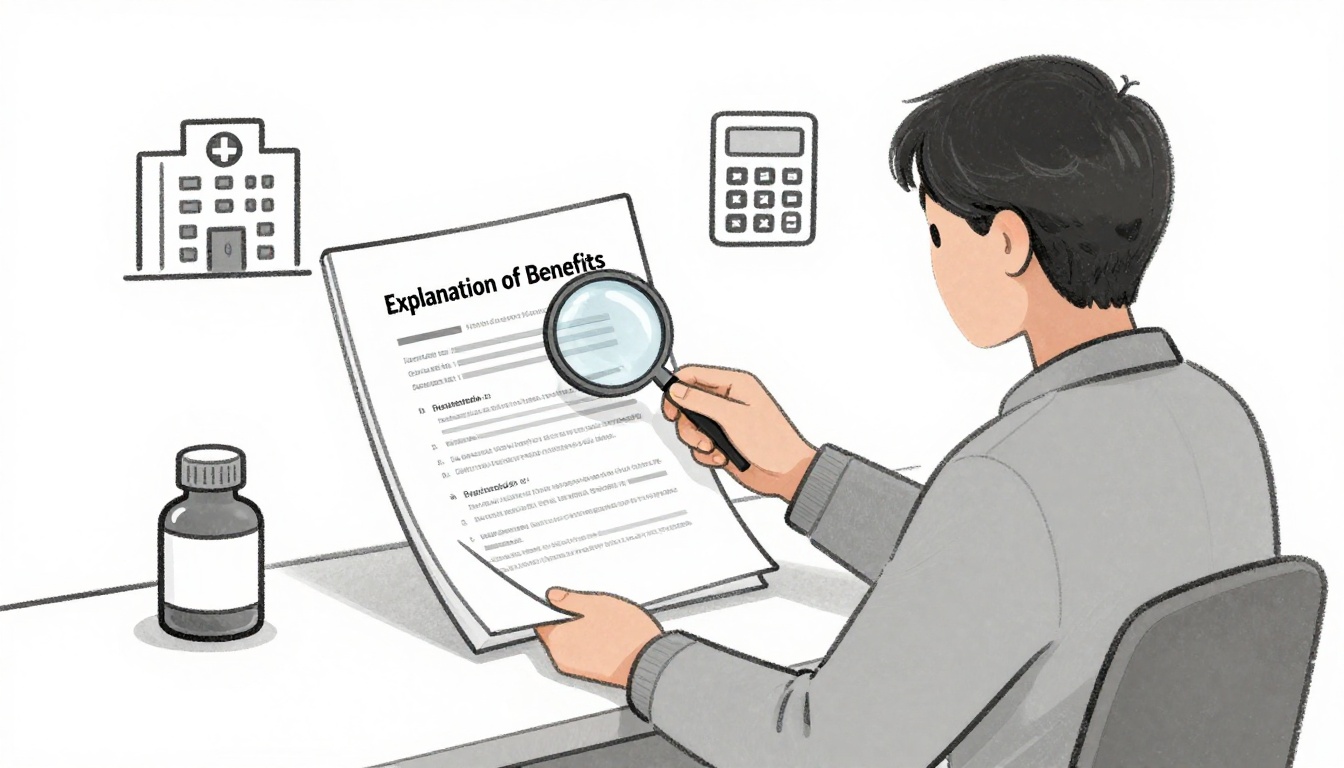
- Reviewing your Explanation of Benefits (EOB)
- Checking the reason code
- Comparing it to your actual plan benefits
If something doesn’t make sense, it’s worth taking a closer look.
Because sometimes, the issue isn’t your coverage, it’s how the claim was processed.
If you’re dealing with a denial and don’t know where to start, I offer one-on-one claim reviews to help you understand what’s going on and what your next steps could be.
Related Posts